Blood
Draw blood from living people with years of head impacts, including hundreds already enrolled in national studies, and look for CTE's fingerprint in their samples.
Blood can be drawn today, while people are still living.

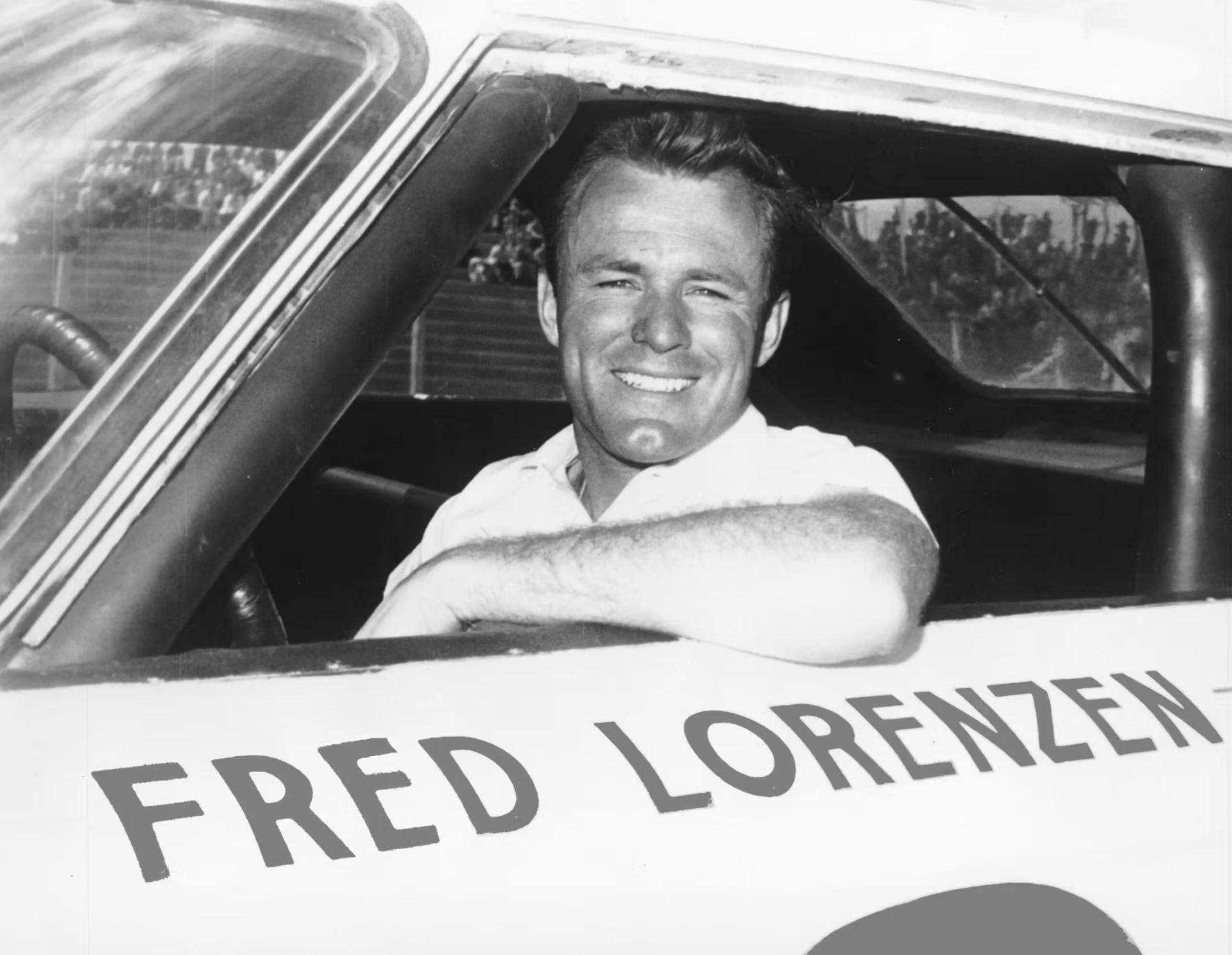
Finishing what your father started: a blood test to find CTE in the living.
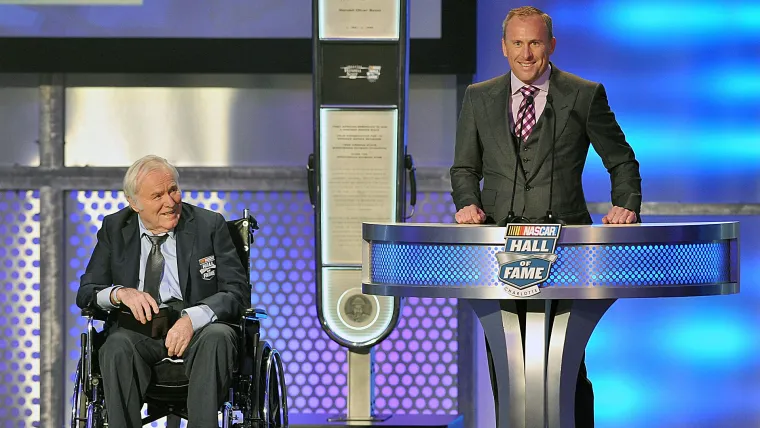
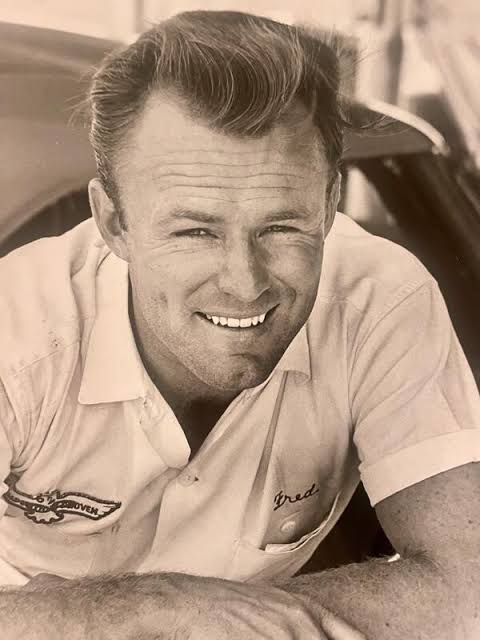
“Dad always said, ‘The sky is the limit and don’t let anyone tell you otherwise.’”Chris Lorenzen · 2015 NASCAR Hall of Fame induction
A note from Chris Nowinski
When you stood at the NASCAR Hall of Fame in 2015 and spoke for your father, you shared the words he lived by: the sky is the limit, and don’t let anyone tell you otherwise. Most people heard a racer’s motto. I hear something more in it now.
I hear the man who stepped away from racing to raise a family, and who later decided his own brain should go to science so other families could have answers yours did not.
Your father’s gift has already mattered. It confirmed what your family had suspected for years and became part of the world’s largest collection of CTE research tissue. Now, you have the opportunity to carry that gift forward in a way only your family can.
With your leadership, Fred’s final act can become both a blood test that gives families answers during life and a HelpLine that gives the racing community someone to call today.
With gratitude,
Chris Nowinski, PhD
Co-Founder & CEO, Concussion & CTE Foundation
Courage, then leadership
“He wants to help others.”
Chris Lorenzen · 2025, on the family's decision to donate Fred's brain
2013–2016
As the signs of dementia appeared, you watched your father change and asked the hard questions no one in racing wanted to say out loud: What is happening to him? Is this CTE?
2016
You stood beside your father as he pledged his brain to science while he was still living. He might never see the answers himself. When you asked why, his reason was simple: “He wants to help others.” You made that promise yours.
December 2024
In the hardest hour your family has faced, you carried out his wish. Fred's brain went to the Boston University CTE Center, joining the world's largest collection of CTE research tissue, because you would not let his answer be lost.
After his death
Researchers examined Fred's tissue and confirmed CTE. After years of watching, wondering and asking, you finally had certainty, and science had one more piece of the answer, thanks to your family.
Today
Your courage did not stop at the answer, and your leadership is what turns it into help. Fred's gift is the answer key for the blood test this proposal will build and the HelpLine that stands with racing families today. With you behind it, his promise reaches every family still searching.
The research
In plain words: a simple blood test that can tell whether a living person has CTE. More importantly, it provides a target for treatment and an endpoint for clinical trials. We are one blood test away from providing hope to the millions facing a future with CTE.
CTE is a brain disease caused by years of repeated hits to the head, from racing crashes, football, hockey, military service and more. A brain protein called tau gets damaged and clumps together. Over time that harms the brain and can lead to memory loss, mood and behavior changes, and dementia.
Just a few years ago, Alzheimer’s had the same problem. Then researchers found that damaged tau leaves traces in spinal fluid and blood. Today there are FDA-approved blood tests for Alzheimer’s. Each disease damages tau in its own way, leaving its own fingerprint. We believe CTE has one too, and that we can find it.
Draw blood from living people with years of head impacts, including hundreds already enrolled in national studies, and look for CTE's fingerprint in their samples.
Blood can be drawn today, while people are still living.
Using donated brains, including more than 700 with CTE, a highly precise lab method reads the exact shape of each tau protein to pin down what makes CTE different from Alzheimer's.
Donated brains like your father's are the answer key.
Confirm the fingerprint, find the cutoff points that separate CTE from normal, and build a sensitive test that picks it up reliably in an ordinary blood sample.
A simple blood draw that could happen at a doctor's office.
We need to draw blood while the patient is alive. But we cannot make discoveries without a post-mortem diagnosis. Therefore, to get answers quickly, we need to cast a wide net and enroll thousands. The BU CTE Brain Bank holds more than 1,700 donated brains, including more than 700 with CTE, the largest collection of its kind in the world. Your father is part of it.
The Boston University CTE Center has received more grants to advance CTE research from the NIH than any other center. This study builds on the NIH-funded DIAGNOSE and BANK CTE studies, letting the scientists advance a preliminary, groundbreaking finding: building the numbers and finding the cutoff points that separate normal from CTE, and making it a clinic-ready test. Along the way, we are building a bank of data that will continually yield new discoveries and new targets for treatment.
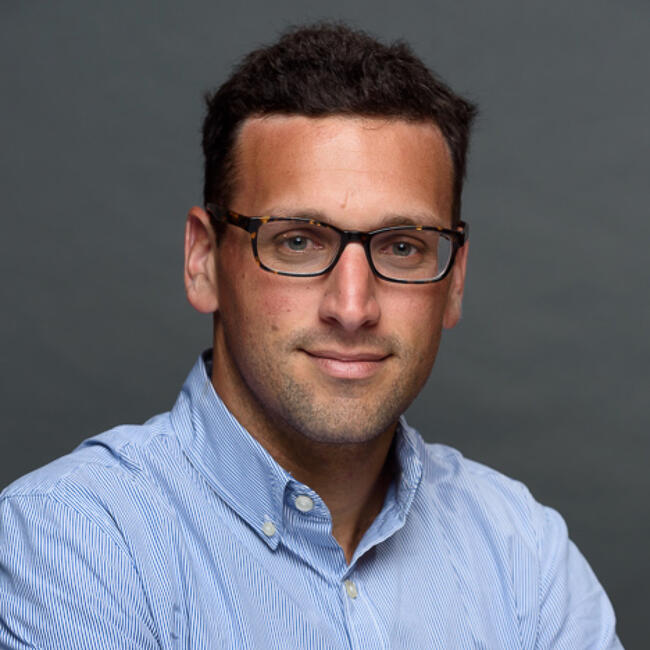
Associate Professor of Neurology, Boston University; Co-Director of Clinical Research, BU CTE Center
Michael Alosco, PhD, is a clinical neuropsychologist and Associate Professor of Neurology at the Boston University Chobanian & Avedisian School of Medicine, where he serves as the Vice Chair of Research, Co-Director of Clinical Research at the BU CTE Center, and Leader of the BU Alzheimer's Disease Research Center Clinical Core. His career has been devoted to studying methods to detect and diagnose neurodegenerative diseases during life, particularly chronic traumatic encephalopathy (CTE). He is the PI of several NIH-funded grants focused on this effort in addition to those that investigate the long-term white matter and vascular consequences of repetitive head impacts from contact and collision sport participation. His research has laid the foundation for the development and validation of ways to detect pathologies from repetitive TBIs during life. He hopes his work will ultimately lead to the development of strategies to treat and prevent CTE and Alzheimer's disease.
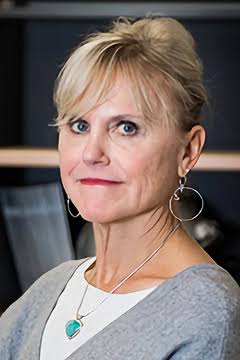
William Fairfield Warren Distinguished Professor of Neurology & Pathology, Boston University; Director, BU Alzheimer's Disease Research Center & BU CTE Center
Ann McKee, MD, William Fairfield Warren Distinguished Professor of Neurology and Pathology at Boston University, is a board-certified neurologist and neuropathologist whose research has transformed scientific understanding of chronic traumatic encephalopathy (CTE) and post-traumatic neurodegeneration. She demonstrated that repetitive head impacts, including concussive and sub-concussive trauma in athletes, military personnel and others, can cause CTE, and she defined the diagnostic criteria and staging of the disease.
Dr. McKee directs the BU CTE Center and Alzheimer's Disease Research Center, where she oversees the world's largest brain bank devoted to traumatic brain injury. Her research has linked repetitive trauma to tau pathology, gene expression changes, neuroinflammation, and loss of neurons and synapses, and she was first to report cases of CTE in multiple sports as well as its association with ALS. Named to the Time 100 Most Influential People and elected to the National Academy of Medicine, Dr. McKee's work has made CTE a global public health priority.
Help for families now
A real person on the other end.
A blood test will take years to reach doctors’ offices. Racing families living with this today cannot wait. Your family knows that better than anyone. This HelpLine will make sure drivers, crew members, former racers and their families have a trusted place to turn.
Care and guidance
We have hired Symone to lead the HelpLine. A licensed clinical social worker with more than a decade in behavioral health and program leadership, she has helped patients through crises and guided families through a complex healthcare system. Her vision is a place where every caller is heard, understood and connected to care they can trust.
Community reach
Joe will make sure the HelpLine reaches the entire racing community. He will build relationships with tracks, teams, racing organizations and driver groups so everyone knows help exists and how to reach it.
Symone will make the HelpLine a source of care. Joe will put it into the hands of the community. Chris, your support can bring them together under Fred’s legacy and make sure no racing family faces this alone.
The request
Chris, your family can turn Fred’s gift into action: advancing a blood test that could give people answers during life, while putting trusted help in the hands of racing families today. We respectfully invite you and the Lorenzen family to lead this work with a three-year commitment.
Recognition
The Fred Lorenzen Fund for CTE Diagnosis
Or in whatever way feels right to your family.
| Three-year plan | Year 1 | Year 2 | Year 3 |
|---|---|---|---|
BU CTE Brain BankValidate blood diagnostics & discover new targets. | $113,334 | $113,333 | $113,333 |
BU CTE Blood Discovery ProgramAdvance blood diagnostics & develop new assays for early CTE detection. | $110,000 | $110,000 | $110,000 |
Study RecruitmentAccelerate BANK CTE recruiting to validate current discovery. | $30,000 | $30,000 | $30,000 |
Fred Lorenzen Memorial HelpLineFunds helpline care and community outreach, so drivers and their families can access the help they need for suspected CTE. | $80,000 | $80,000 | $80,000 |
| Total per year | $333,334 | $333,333 | $333,333 |
A legacy in motion